Riverbeds: Forces of Flow
, a solo exhibition by Anna Kędziora
28.06–25.08.2024
SiC! Gallery
9-10 Kościuszki Sq.
50-028Wrocław
Riverbeds: Forces of Flow
We are bodies of water.
Astrida Neimanis
Anna Kędziora’s ongoing research focuses on the embodied memory of river bodies. The exhibition Forces of Flow explores rivers and their surroundings in a visual, spatial, material, and linguistic way. It is an open invitation to collective action: witnessing a creative process, getting to know the matter, and forming kinship and relationships with bodies of water.
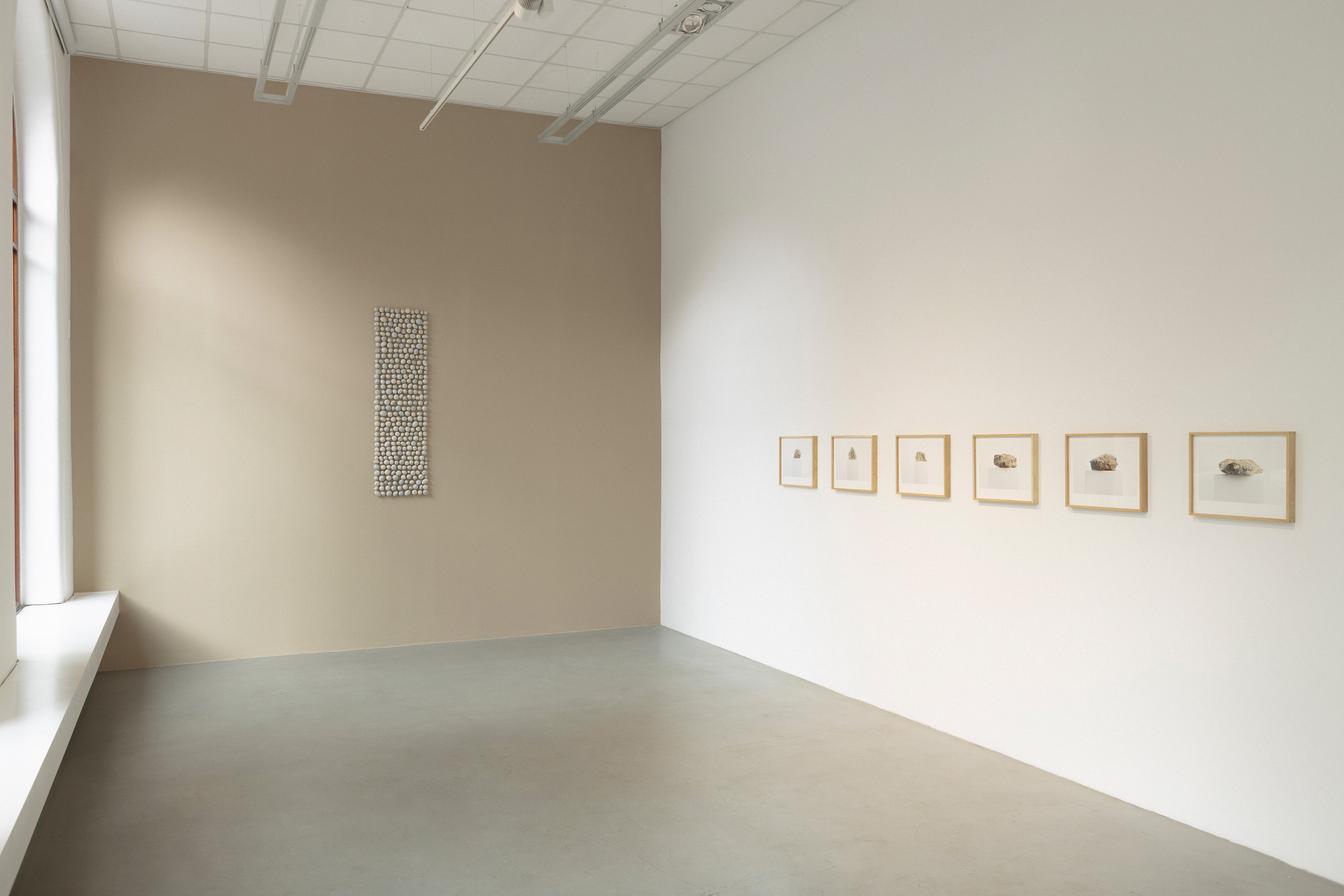
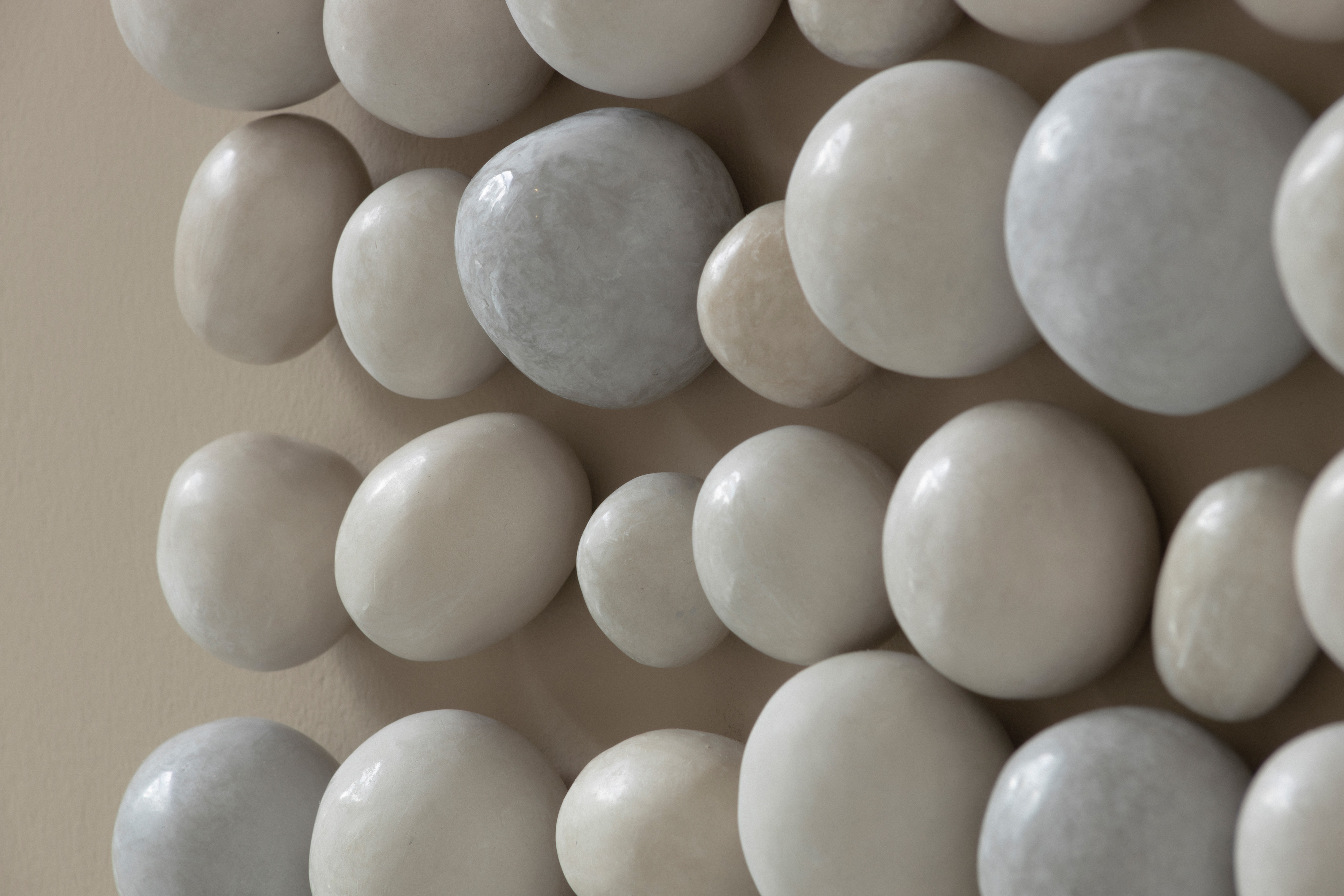
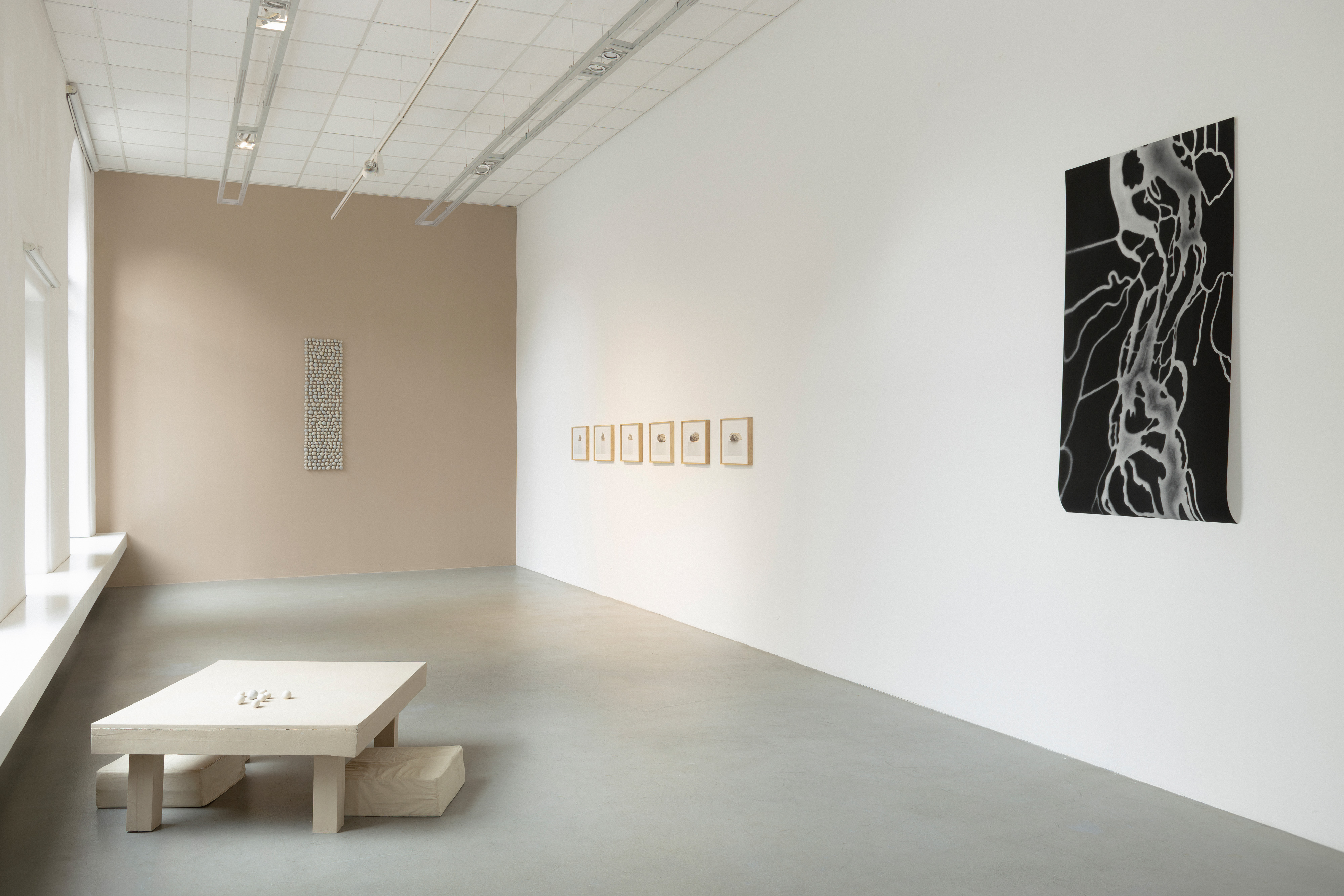
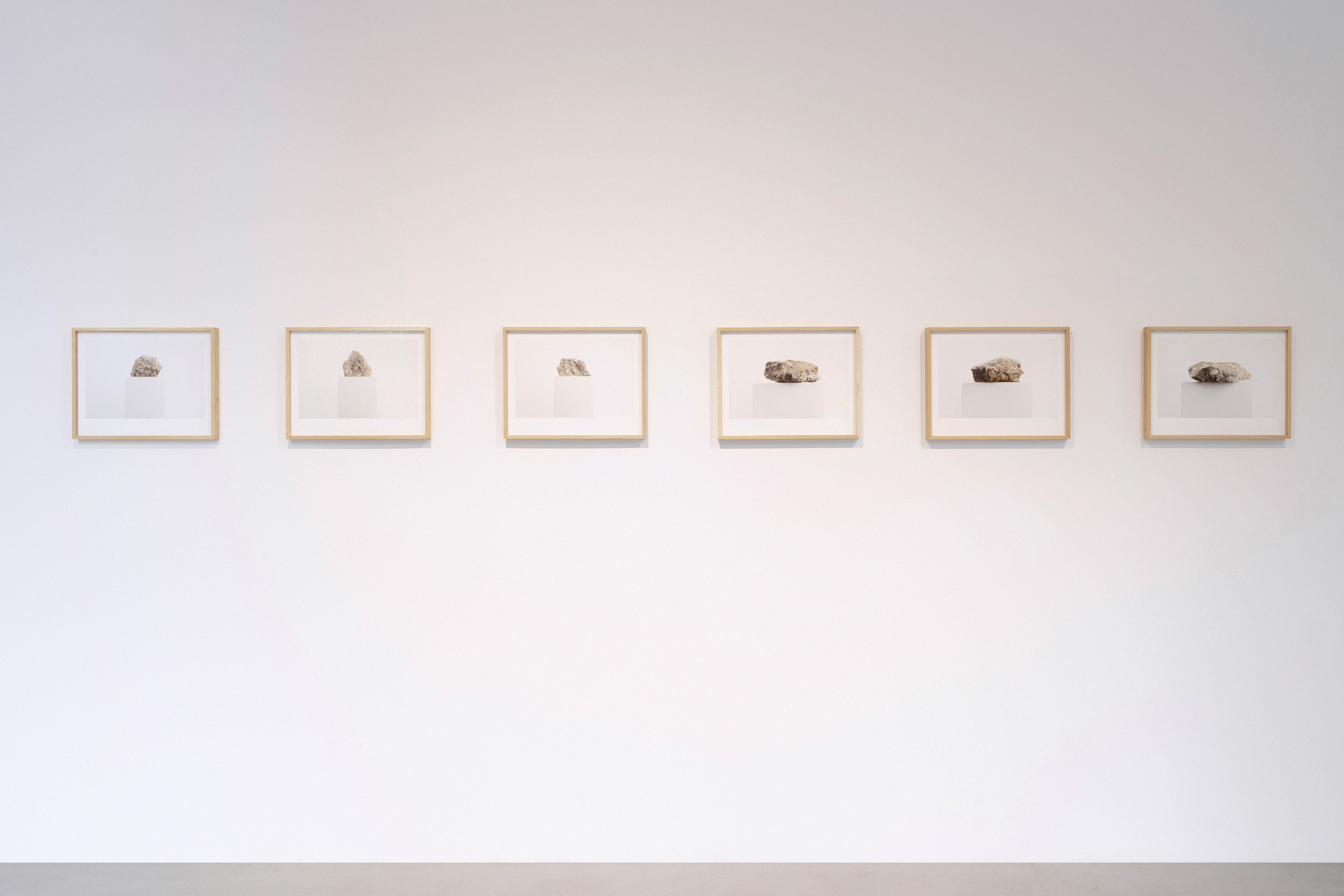
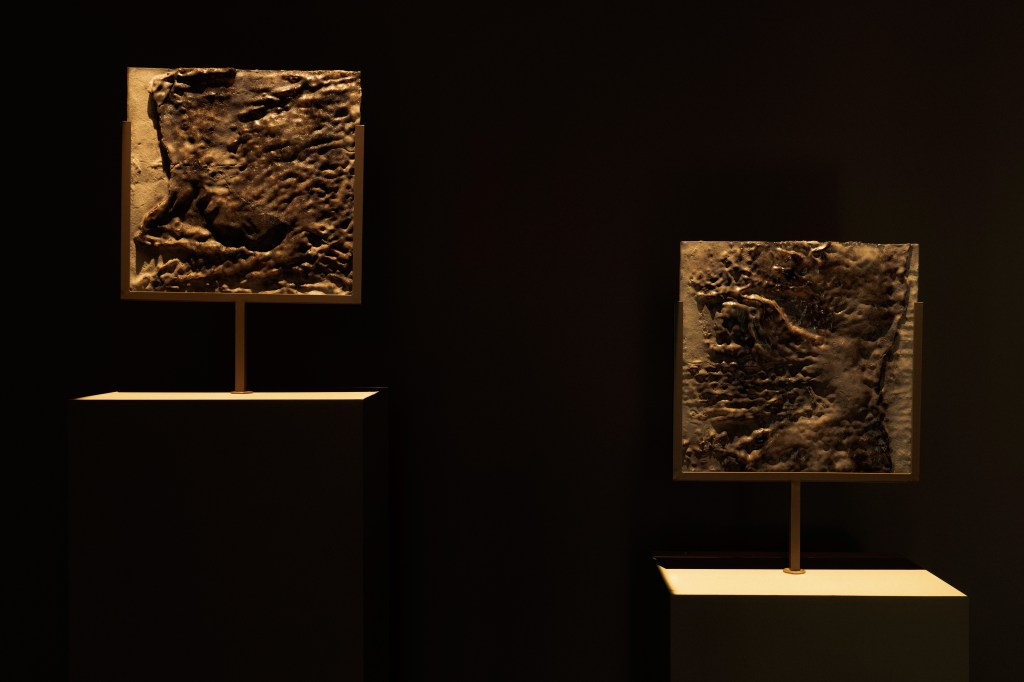
Humans, too, often exhibit tendencies to alter, rule, colonize, destroy, and build at the expense of our rivers. These actions are etched into riverbeds and their concrete surroundings. The exhibition uncovers the intricate process of establishing a relationship with rivers – an intuitive and analytical process. In the exhibition at SIC!, Anna Kędziora’s project extends beyond one specific river to any river heavily regulated by man-made structures. She explores riverbeds and their occupied and colonized environment, proposing empathic bridges and gestures between human and nonhuman water bodies. All of these delicate issues concerning the human–nature dichotomy are abstracted on stone, glass, ceramics, and photographic materials, offering a profound insight into our complex relationship with nature, and rivers in particular.
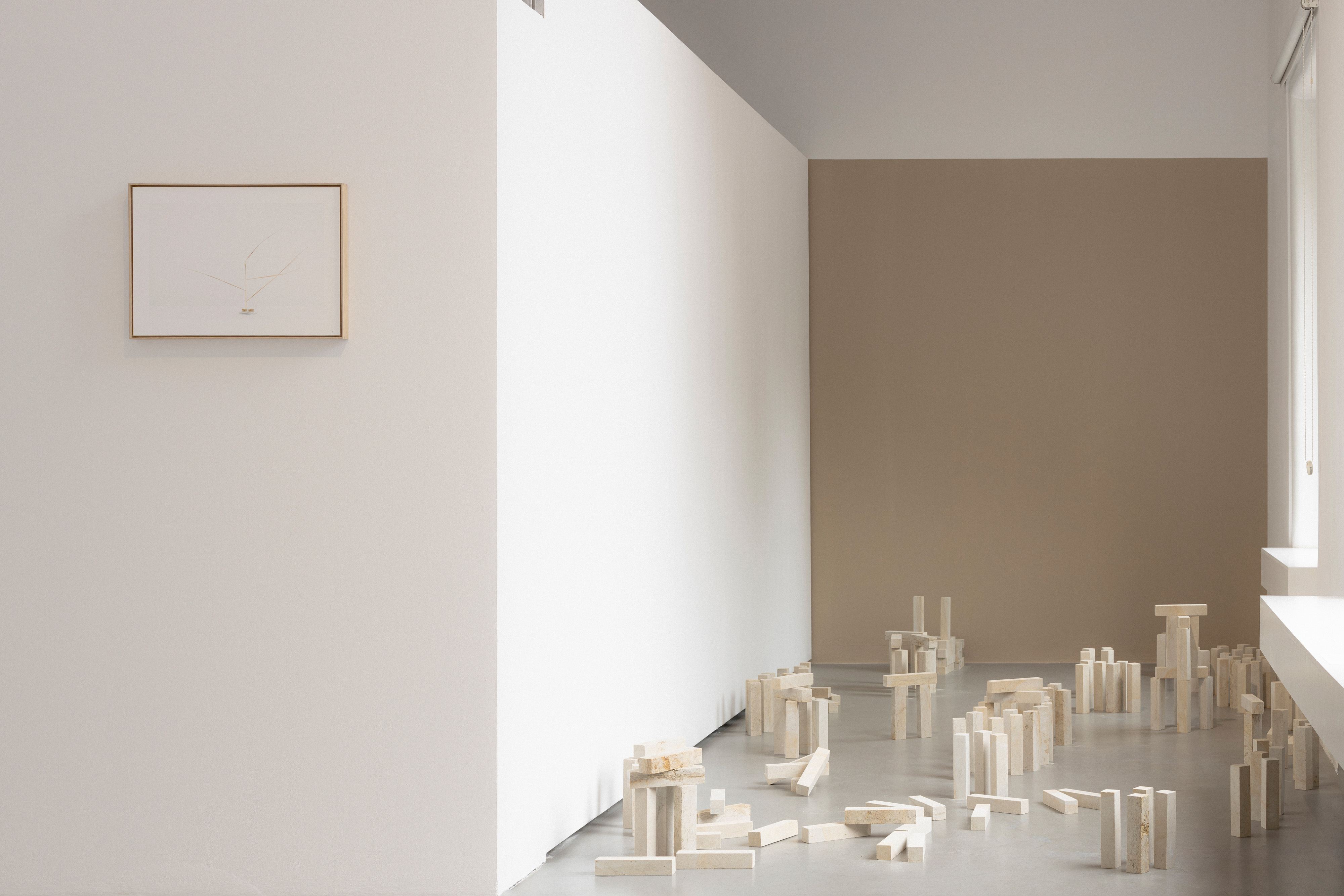
Forces of Flow is an imaginary river that meanders inside the gallery. The exhibition encourages visitors to likewise meander with the flow of pieces, move some objects around, and reshape the fictive landscape in the gallery space. The works in this exhibition are fragments, which tell a story about the power relations between rivers and humans. This is a symbiotic relationship. However, we, the people in the capitalist system and urban landscapes, take the presence of rivers for granted, and neglect to appreciate their value and fragility as a resource. Kedziora’s artistic research focuses on the massive transformation of riverbeds and their surroundings, recognizing them as hard-working nonhuman agents enduring the constant interference of humans.
 Tuçe Erel